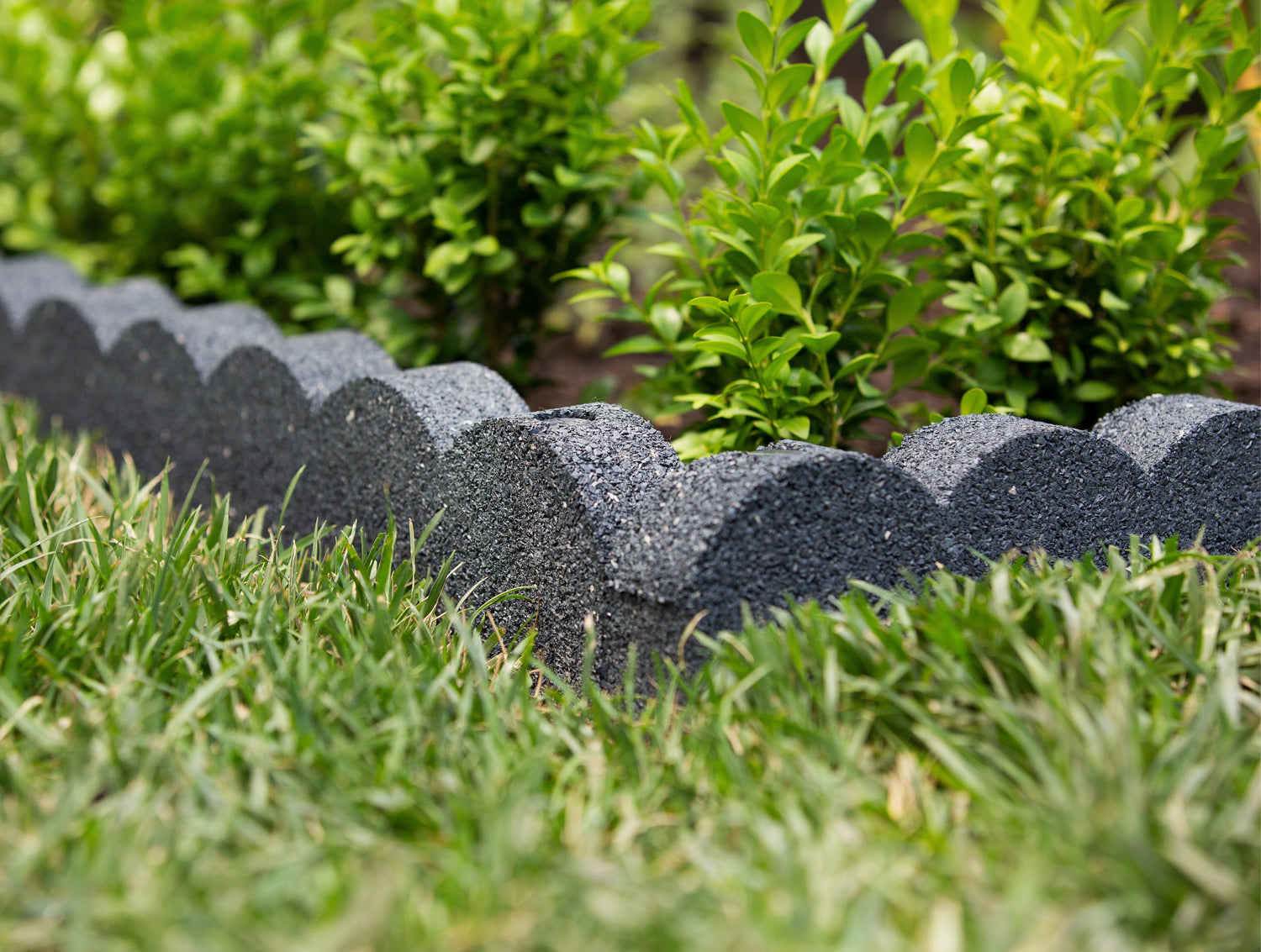
Garden Edging

Garden Edging

Define your outdoor space with a garden edge that blends function and style. From rubber garden edging to sleek steel finishes, every product is crafted to suit Australian landscapes and conditions. Designed for easy install and long-lasting strength, these edges create clean borders around lawns, paths, and garden beds. Whether enhancing your yard or tackling landscaping projects, Tuscan Path edging helps you achieve the ideal balance of form and depth, a great choice for any shape or setting across Australia’s outdoor market.

Filter Results

Filter by:

Colour
Material

Sort Results

Sort by Featured

Selected Filters:

Clear All

Viewing 25 - 25 of 25 products

Sort by Featured

Viewing 25 - 25 of 25 products

Frequently Asked Questions

Where can I use garden edging in my yard?

Tuscan Path edging is designed for most landscaped areas where you want a clean transition between materials. It is commonly used to:

  • Frame garden beds, lawns and feature planting
  • Define the edges of gravel paths, pavers or stepping stone runs
  • Contain soils or mulches in raised or mounded beds
  • Create flowing curves or straight lines around trees and feature zones

Rubber and composite edging works well where you want a softer, forgiving edge, while corrugated metal edging gives a crisp, architectural line along paths, garden beds and
driveways.

What is the difference between rubber, composite and metal edging?

Each edging type is designed for slightly different needs:

  • Rubber edging is made from recycled rubber that is strong, flexible and will not crack or dry out in extreme temperatures. It suits both straight and curved borders and is ideal around garden beds, trees, lawns and paths.
  • Composite edging combines recycled plastic and wood fibre materials. It is strong, flexible and highly durable, resisting mould, mildew and termites, and can be used for both straight and curved gardens.
  • Metal edging is crafted from steel in a mechanically folded corrugated profile that creates a tidy, modern finish. It is strong, flexible and rust resistant, helping to reduce lawn edge trimming and weed transfer along paths, garden beds and lawns.

Edging pegs are available to suit each type, from earth toned and black pegs through to galvanised and colour-matched metal pegs.

Is Tuscan Path garden edging suitable for curved gardens?

Yes. Rubber edging, composite edging and corrugated metal edging in the Tuscan Path range are all designed to flex around curves as well as run in straight lines. The rubber and composite products are particularly easy to shape around flowing beds and tree rings, while the steel corrugated edging is strong yet flexible enough for gentle curves along paths and lawns.

How do I install Tuscan Path garden edging?

Tuscan Path edging is intended for DIY friendly installation. You can find in depth installation videos and written instructions for each edging on our How-to Guides page or for most of our styles, the basic process is:

  1. Mark out your edge line with a string line or hose
  2. Create a shallow trench where the edging will sit
  3. Position the edging in the trench, following straight lines or curves as required
  4. Secure it with the recommended edging pegs or connectors
  5. Backfill and compact soil or mulch up to the desired height

How do I work out how much edging and how many pegs I need?

To estimate how much edging you need, run a string line along the entire edge of your garden bed or path, then measure the total length. Divide this by the length of your chosen edging roll
or section and round up to the nearest whole number.

For pegs, check the product guidance for the spacing recommended for your edging type and soil conditions. As a general rule, more pegs are used on tight curves, at corners and at joins, and fewer are needed on short, straight runs. The Tuscan Path range includes nylon pegs, earth tone pegs, galvanised pegs and colour-matched pegs so you can select the option that suits your chosen edging and garden style.

How do I decide which height edging to use?

The height you choose depends on the purpose of the edging. Shorter edging is ideal for defining garden borders or decorative features, while taller edging is better for containing soil in raised beds or preventing plants from spreading. Consider the type of plants you’re growing, the look you want to achieve, and the level of soil retention needed when selecting the appropriate height garden edging.