Choosing the Right Extra Large Pots for Outdoor Plants: Material, Drainage & Style Guide

What to look for in extra large outdoor pots
The best extra large pots for outdoor plants combine the right material, proper drainage, and a style that suits both the plant and the surrounding outdoor space.
Large outdoor pots are among the most effective tools for creating visual impact around patios, entryways, pools, and gardens. But choosing the wrong size or material can lead to drainage issues, overheating roots, or a maintenance headache you didn't sign up for.
This guide cuts through the noise to help you select the right option for Australian outdoor conditions, whether you're working with a compact courtyard, a sprawling backyard, or a sun-drenched balcony.
Why choose extra large outdoor pots?
Beyond looks, large garden pots offer some genuinely practical advantages. A bigger pot supports larger root systems, resulting in healthier plants with more room to establish and grow. It also means less frequent watering, since greater soil volume retains moisture for longer.
From a design standpoint, oversized planters create statement features. They work particularly well for screening and zoning outdoor areas, giving you a flexible, no-dig alternative to garden beds or fences. On patios, balconies, and entryways, they introduce greenery where the ground simply isn't an option.
There's also a styling advantage: a larger pot gives you room to layer plants, mixing taller plants with trailing groundcovers or seasonal colour beneath it.

Choosing the right material for outdoor plant pots
Material is one of the most important decisions you'll make, because it affects weight, durability, thermal performance, and appearance. Here's how the most common options compare.
Lightweight composite and fibre cement styles are a strong choice for balconies, courtyards, and anyone who wants flexibility to rearrange their space. They're significantly easier to move than traditional concrete, and many are designed specifically for long-term outdoor use. Their clean lines and refined finishes pair well with contemporary architecture.
Concrete-look finishes deliver that architectural, contemporary edge. The added mass makes them stable in exposed or windy areas, and they’re a particularly good fit for extra-large lightweight outdoor pots.
Textured or stone-look finishes bring a more natural quality to the space. They complement native plants, warm timber elements, and the relaxed Australian landscaping style. If your garden leans more earthy than architectural, these finishes tend to feel most at home.
Browse Tuscan Path's full range of pots and planters to compare materials, finishes, and sizes side by side.

Drainage matters more than size
A common mistake with large pots is assuming that more soil means more forgiveness. In fact, oversized pots with poor drainage can become waterlogged far more severely than smaller ones.
Drainage holes are non-negotiable. Without them, roots will sit in saturated soil, and the plant will deteriorate. Raising the pot slightly with pot feet or a stand improves airflow beneath the base and allows water to exit freely.
Quality potting mix matters, too. A well-structured mix with good drainage properties prevents compaction, which is a common issue in deep pots over time. For very deep containers, it's worth adding a lightweight filler in the lower section to reduce the volume of soil the plant actually needs.
Finally, topping the pot with decorative pebbles serves a practical purpose as well as a visual one. They slow evaporation from the soil surface, while giving the finished pot a neat, considered appearance.
Choosing the right size pot for your plant
Getting the size right comes down to the plant's mature dimensions, not what it looks like in the nursery pot.
- Feature trees need deep, stable containers that anchor the root system and prevent the pot from becoming top-heavy.
- Shrubs and screening plants need wider root space to spread laterally.
- Trailing plants benefit from taller, elevated pots that give the foliage room to cascade without sitting on the ground.
- Avoid oversized pots for small plants. When there's far more soil than roots, moisture accumulates, creating ideal conditions for root rot.
Best plants for large outdoor pots
Not every plant adapts well to container life, but many popular choices for Australian gardens perform exceptionally well in large pots.
- Olive trees: Drought-tolerant, architectural and well-suited to warm climates.
- Lilly pilly: Ideal for screening, responds well to shaping and stays evergreen.
- Dwarf citrus: Productive and compact, with year-round interest.
- Ornamental grasses: Movement, texture, and very low maintenance.
- Agave and succulents: Suited to hot, dry positions with minimal water needs.
- Fiddle leaf figs: Striking indoors or in a sheltered, bright outdoor spot.
- Flowering annuals: Use these as seasonal fillers layered beneath a feature plant.
Mixing height and texture within a grouping of pots creates a more dynamic, thoughtful result than a row of identical plantings.

Styling ideas for large outdoor pots
The way you position large pots matters as much as which pots you choose. A few well-placed containers will almost always outperform a crowded arrangement of smaller ones.
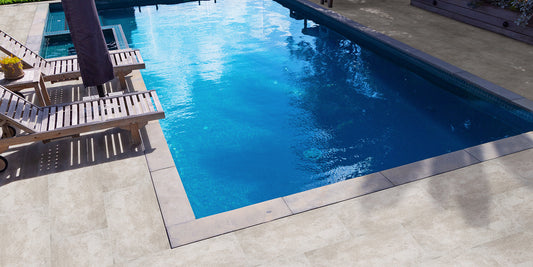
Paired pots framing a doorway or gate create a classic, symmetrical entry statement. Grouped pots in staggered heights work well around pool decks and patios, particularly when you mix two or three complementary heights. A single oversized statement planter, positioned to draw the eye, can anchor an entire outdoor space on its own.
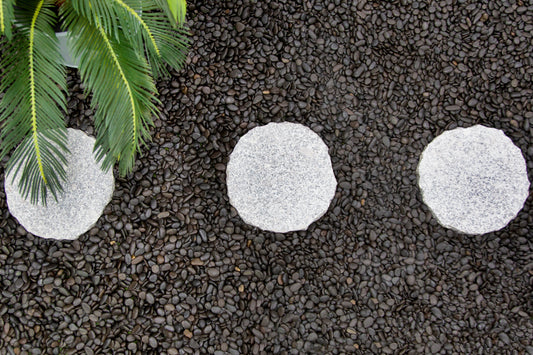
Colour consistency also helps. A monochrome approach creates a modern, cohesive feel, while warm stone and terracotta tones lean into a more relaxed, organic aesthetic. Pairing with pebbles and stones can unify the planting area with the surrounding landscape.
For ideas on styling pots alongside ground-level finishes, explore Tuscan Path's pebbles & stones collection.
Create a lasting impact with large pots
Choosing the right pot is one of the most impactful decisions you'll make in an outdoor space. Get the material, drainage, and scale right, and you have a low-maintenance, visually striking feature that works for years to come.
Tuscan Path's range of pots and planters is designed for real Australian outdoor conditions: robust materials, practical drainage features, and finishes that hold their own across a range of design styles.
Whatever style you're after, there's an option built to perform and look the part for the long haul. Explore the collection to transform your outdoor space.